Event Trends to Look Out for in 2024
Empowerment, experience and meaning can be made practical. Take the lead with these 3 key event trends.
When Lef Marketing & Events, on behalf of Dell Technologies invited us to create the opening of their strategic forum, the request seemed direct: include artificial intelligence in the performance. Not as a visual gimmick, not as a technical footnote, but as a presence that mattered.
What happens when a system designed to recognise patterns is placed beside an art form that thrives on instinct? What does it mean to introduce computation into a space traditionally defined by breath, vulnerability and collective emotion?
We realised early on that hiding AI behind the scenes would be the safest route. It would have been easy to let it enhance the show quietly, invisible to the audience. But safety rarely produces insight.
So we chose to stage the tension openly. We allowed the human and the technological to stand side by side, distinct in nature, yet bound to the same source.
Everything began with music, because music remains one of the few mediums that bypasses argument and moves directly into experience.
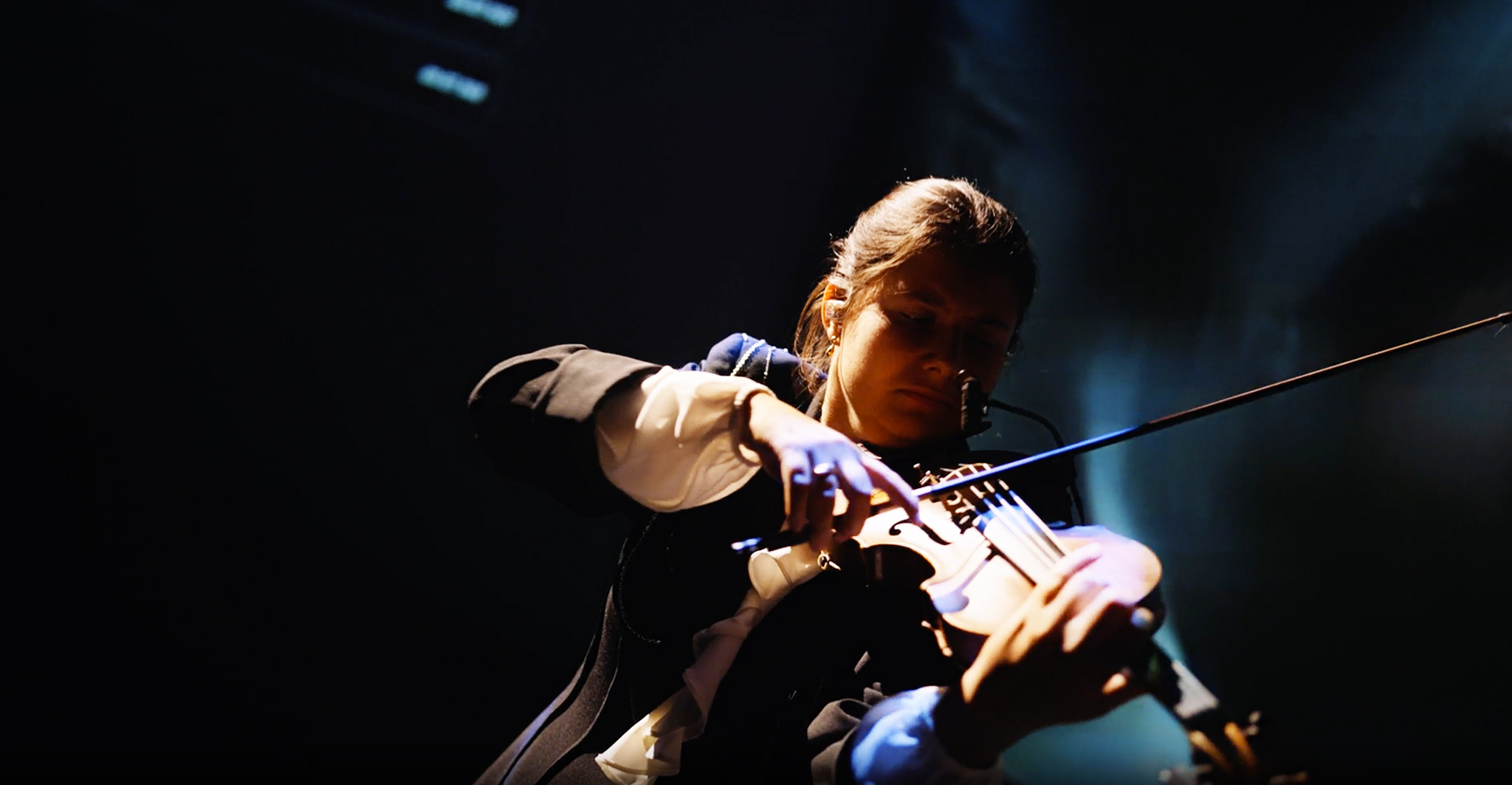
We composed an original piece that carried fragility and weight in equal measure: a violin line that hovered just above silence, the grounding resonance of the double bass, shifts in tempo that built tension and released it again. The composition was designed not merely to be heard, but to be felt.
At the centre of the stage stood the conductor, embodying what human creativity looks like when it becomes visible. His gestures were not calculations but responses shaped by memory, training and instinct. When he listens, he does not dissect the music into data points; he absorbs it whole, filtering it through lived experience, intuition and subtle emotional awareness.
Human creativity is inherently relational. It lives in the glance exchanged between musicians, in the shared breath before an entrance, in the silent agreement about timing that no algorithm instructs. The conductor does not simply control tempo; he shapes collective energy, adjusting in real time to nuance that cannot be quantified.
This is the human approach: sensation before structure, intuition before explanation.
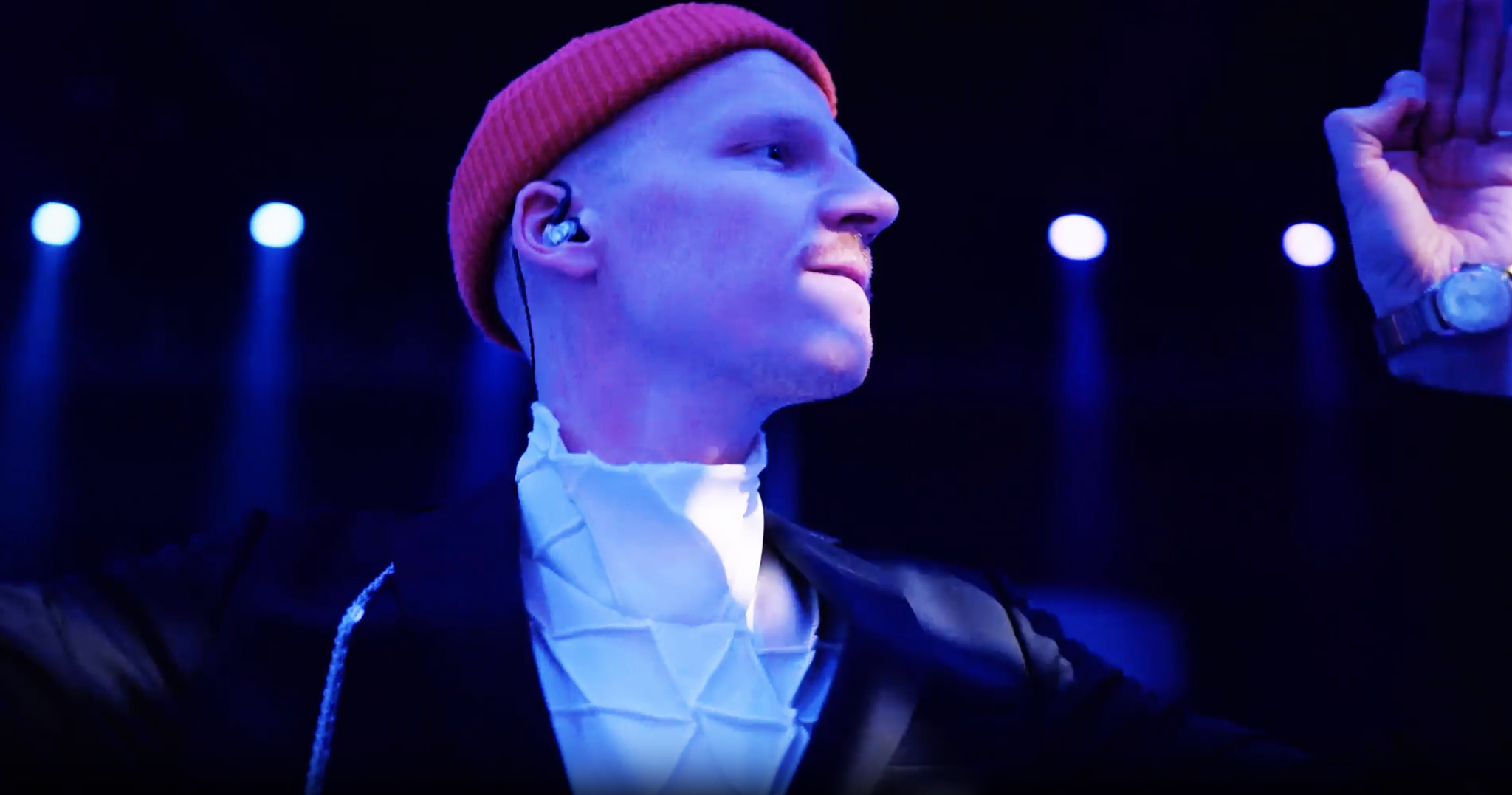
Opposite the orchestra stood artificial intelligence — not as a rival, but as an interpreter operating under entirely different principles.
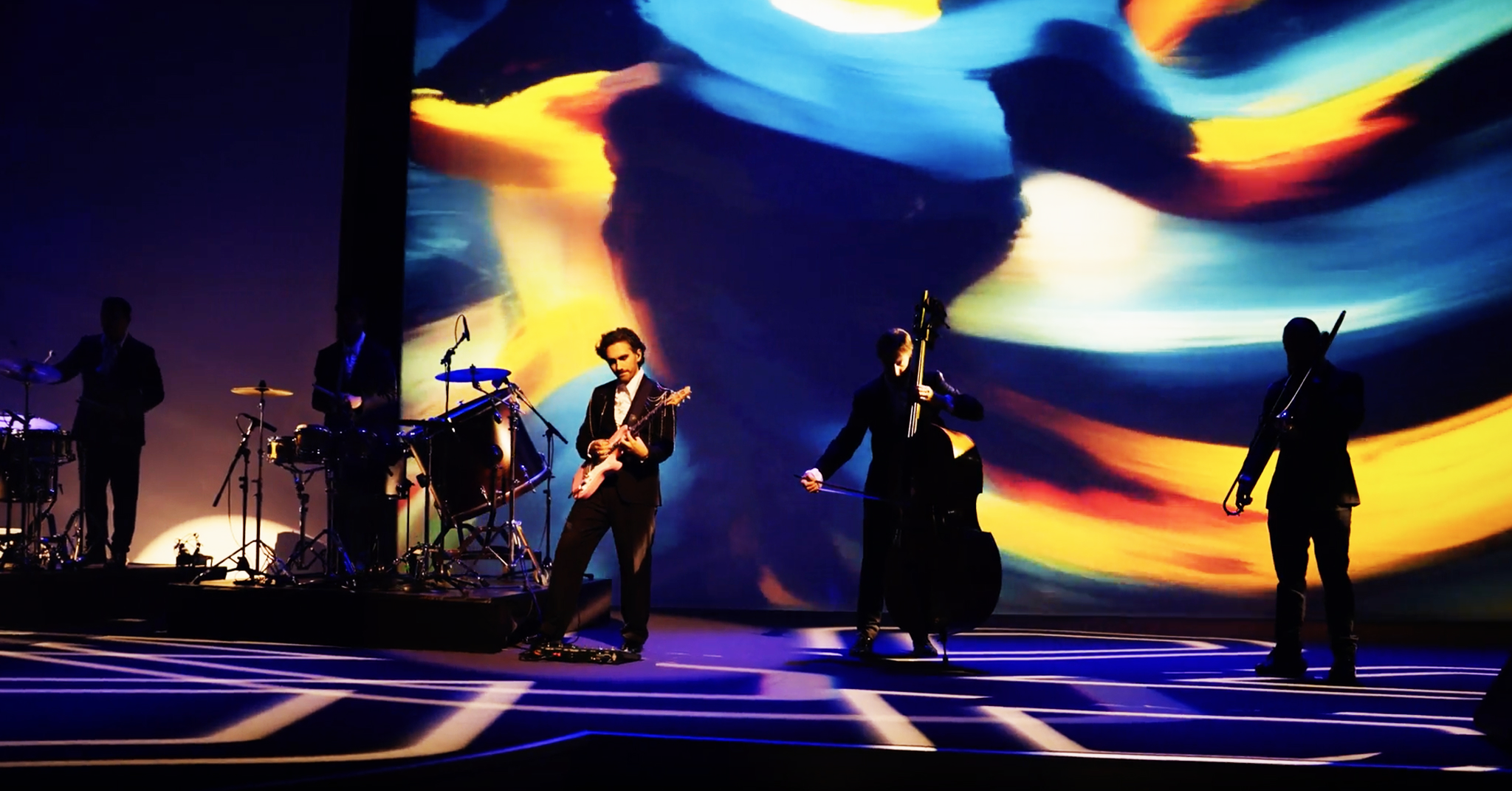
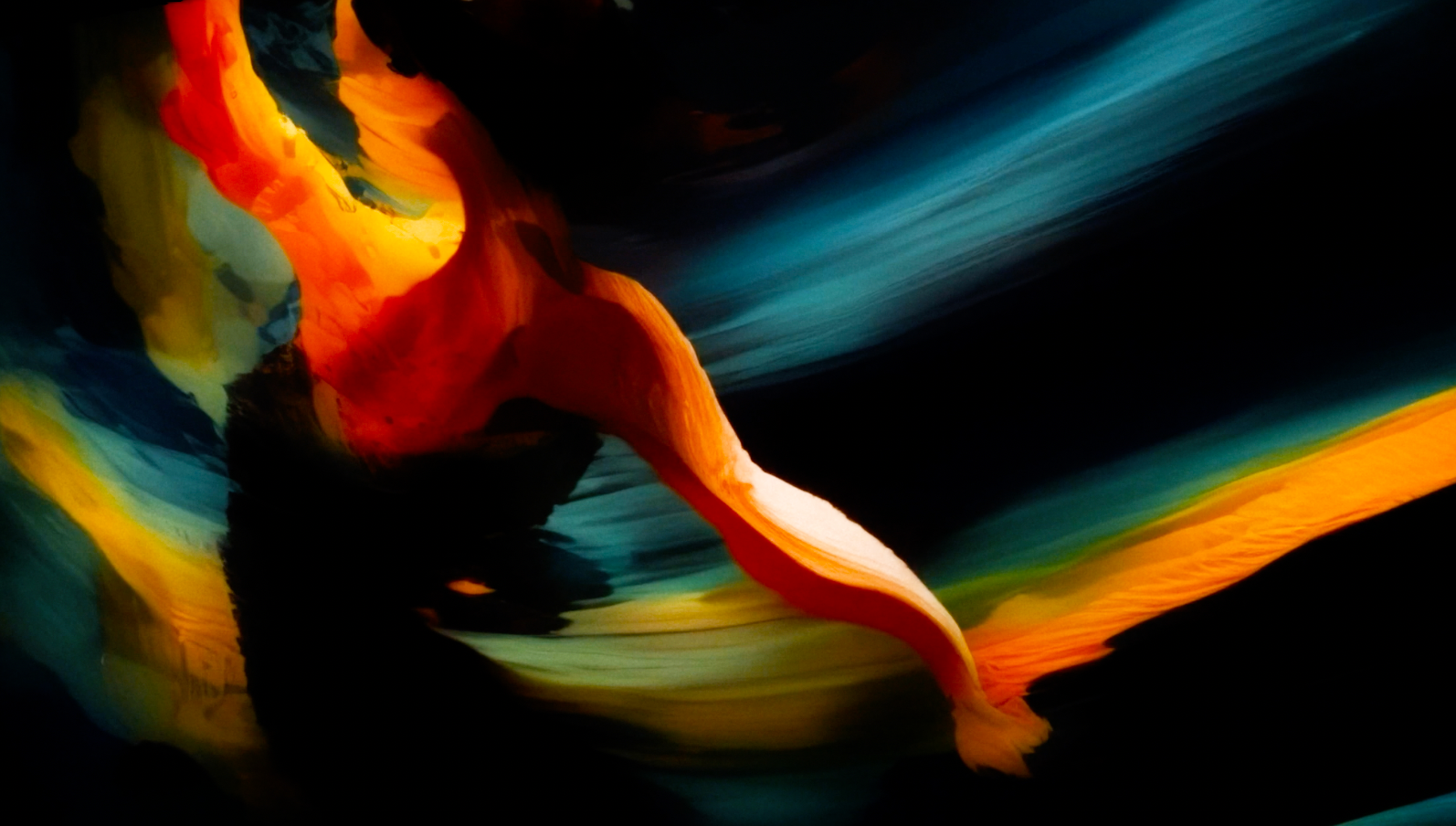
The system was prompted to analyse melody, harmony, rhythm and tonal colour in real time. It detected tempo changes, harmonic transitions and instrumental layering, translating these elements into evolving visual compositions projected alongside the performance.
Where the human brain draws on memory and emotional association, the machine identifies structure and probability. It does not feel the rise of a crescendo in its chest, yet it recognises measurable increases in intensity. It does not recall personal history when a minor chord resonates, yet it detects harmonic shifts with precision and responds accordingly.
And yet, something unexpected happened during the process. The more clearly we defined emotional intention in our prompts, the more nuanced and expressive the visual output became. In attempting to explain emotion to a system that cannot feel, we were compelled to refine our own understanding of what emotion actually consists of.
The act of translating feeling into instruction forced clarity. And clarity, in turn, sharpened both the human and technological response.
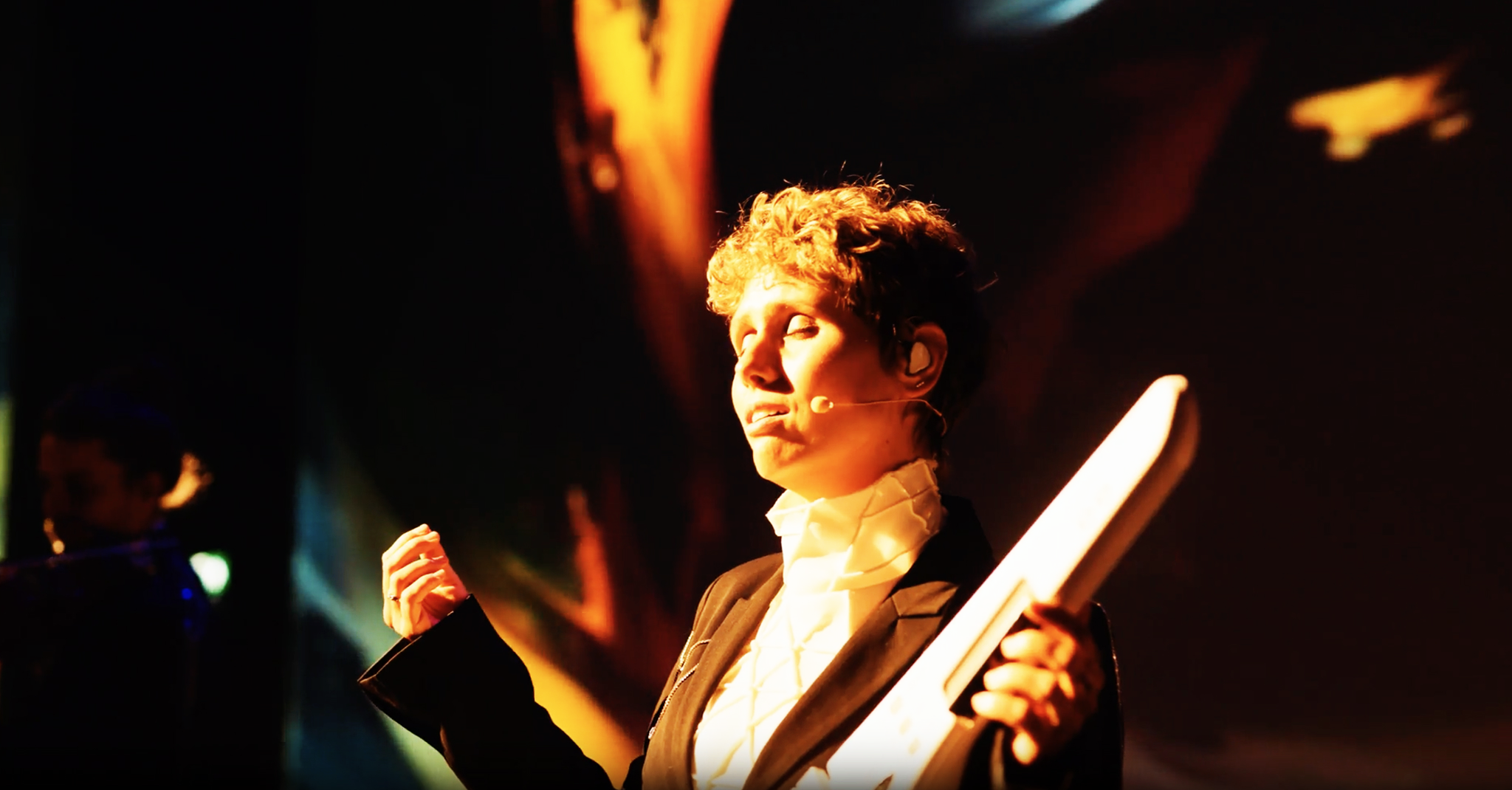
It would have been easy to frame the performance as a confrontation between instinct and algorithm, between tradition and innovation. That narrative is familiar, amplified daily in conversations that position artificial intelligence as either existential threat or inevitable saviour.
But at Plugged, we believe in being a voice, not an echo. Repeating the loudest narrative in the room rarely produces depth. Instead of amplifying fear or hype, we chose to explore dialogue.
As the conductor guided the orchestra through tension and release, the AI responded simultaneously, generating visuals shaped by the same musical input. Two distinct intelligences engaged with one shared source, each interpreting through its own lens.
The orchestra did not diminish under the presence of technology, nor did the AI overpower the human performance. Their coexistence revealed contrast, but also complementarity. Intuition and empathy on one side; structure and scalability on the other.
What unfolded was not a battle for dominance, but a layered collaboration in which each approach expanded the expressive capacity of the whole.
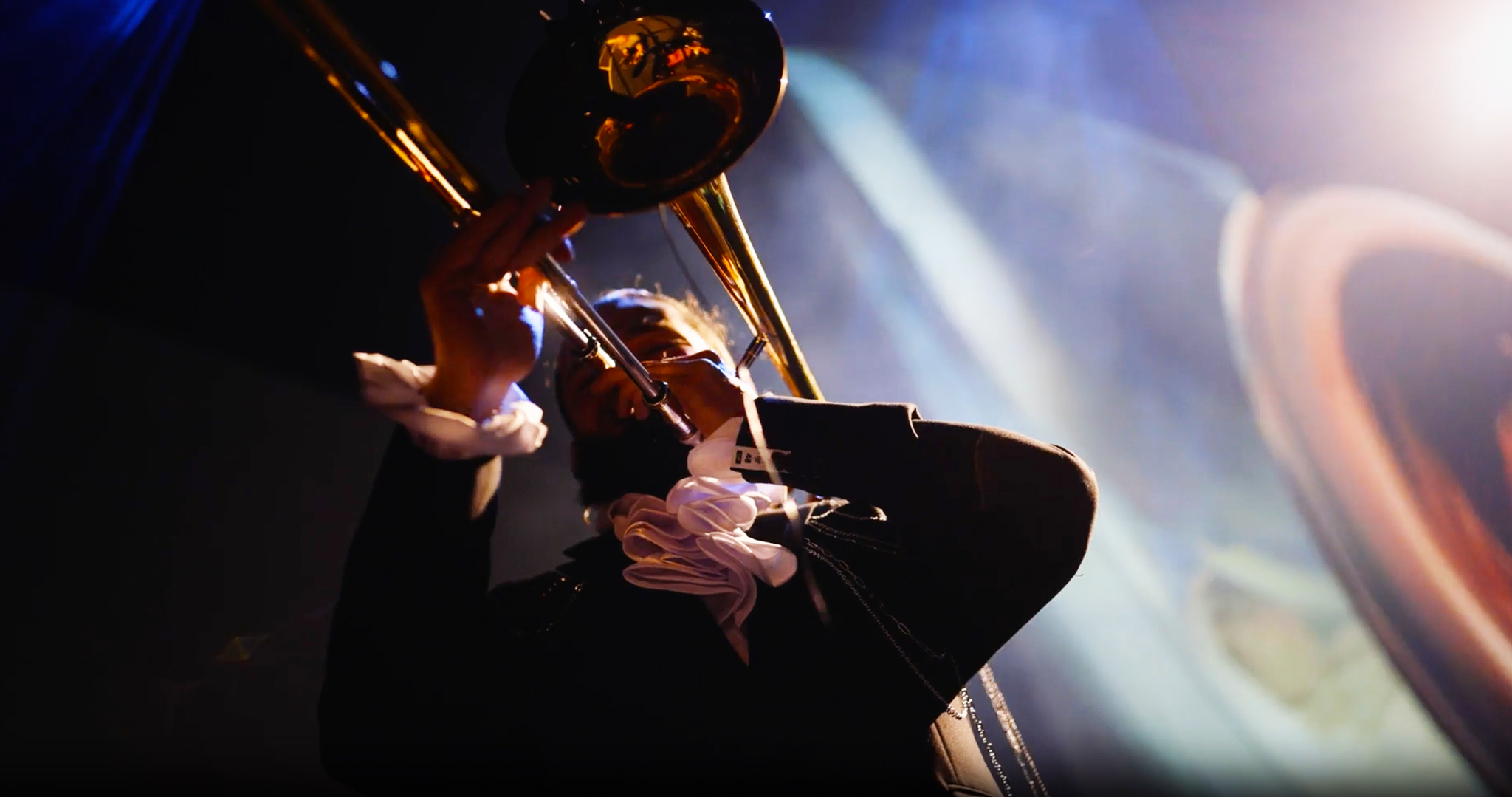

The most significant discovery was not technical, but philosophical.
Human creativity does not weaken when it engages with intelligent systems; it becomes more deliberate. Artificial intelligence does not gain meaning without human direction; it reflects the intention embedded in its input.
The conductor remained essential. The orchestra remained irreplaceable. The AI did not assume authorship; it interpreted within the framework it was given.
By the end of the performance, the audience had not witnessed a prediction of replacement, but a demonstration of possibility. The stage became a space where human intuition and artificial analysis coexisted without erasing one another. The question quietly shifted. Not “Will technology replace us?” but “How consciously will we choose to shape it?”
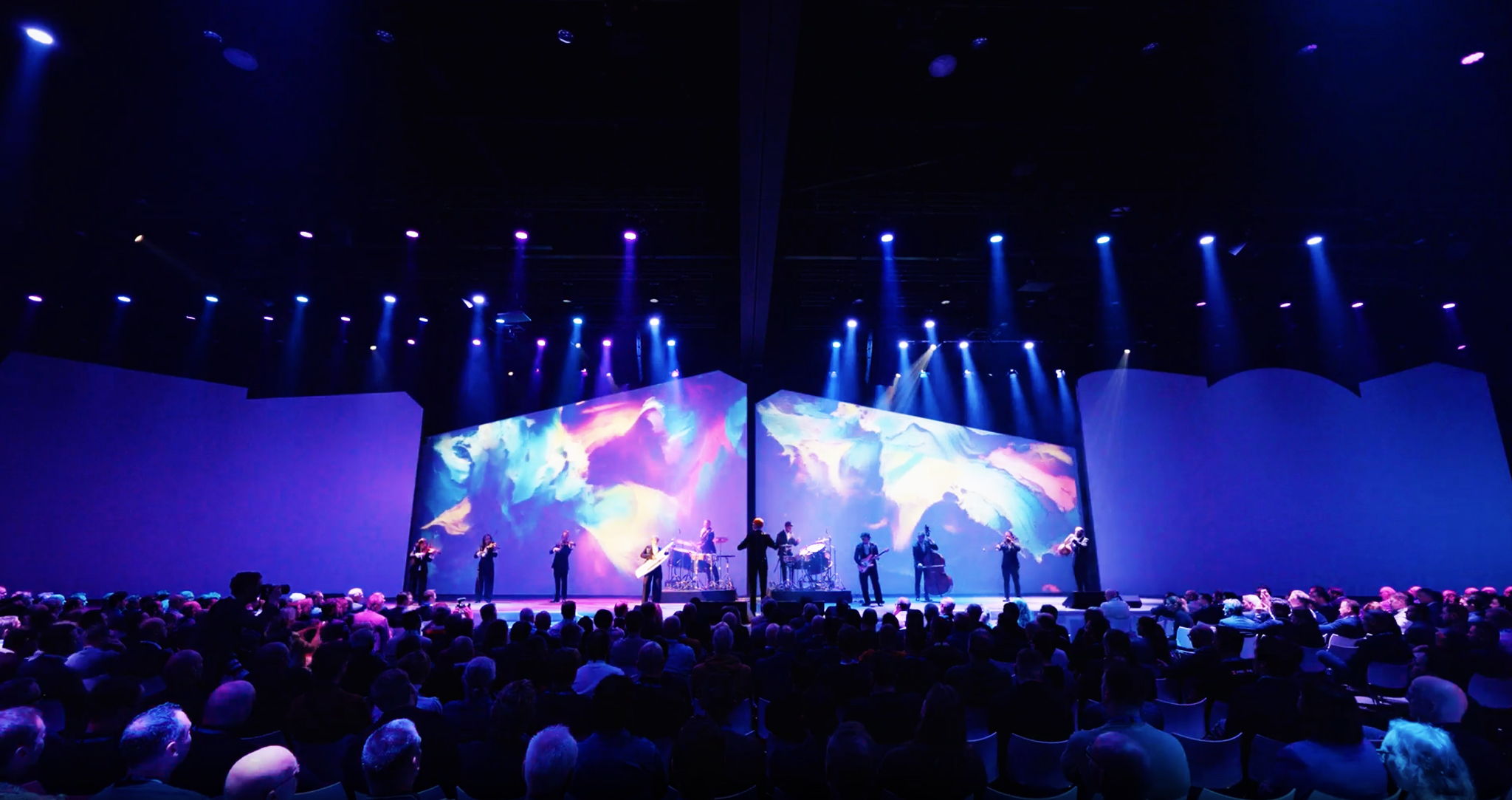
The AI Orchestra was never just a technical showcase. It was an exploration of creative leadership in an era where intelligent systems are increasingly woven into our reality.
The future will not be decided by choosing between conductor and code, creativity and rationality. It will be shaped by how intentionally we allow them to interact, how clearly we define human leadership, and how courageously we engage with tools that extend our capabilities without surrendering our voice.
To be a voice in this moment means resisting simplification. It means acknowledging complexity and choosing dialogue over reaction. It means understanding that innovation and humanity are not opposing forces, but elements that, when aligned with intention, can amplify one another.
And when the conductor lowered his hand after the final note, what lingered was not a sense of displacement, but of expansion, or the recognition that creativity, when guided with clarity and courage, can evolve without losing its essence.